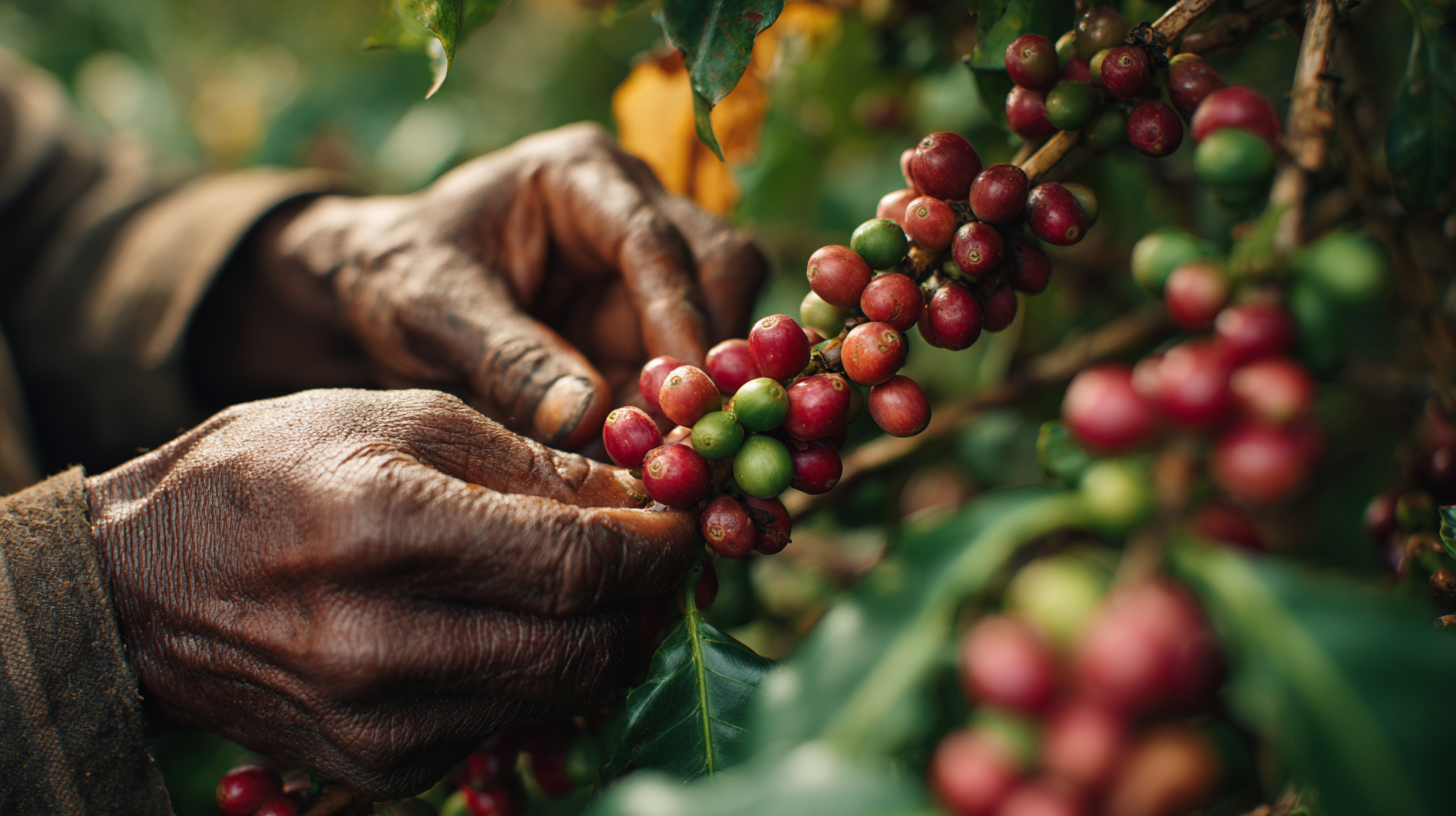
Fair-trade coffee farm Fair Trade

The Journey of a Bean: From Fair-Trade Farm to Your Cup

Follow the path of our Ethiopian single-origin beans from the highlands of Yirgacheffe to your morning mug.

Read More
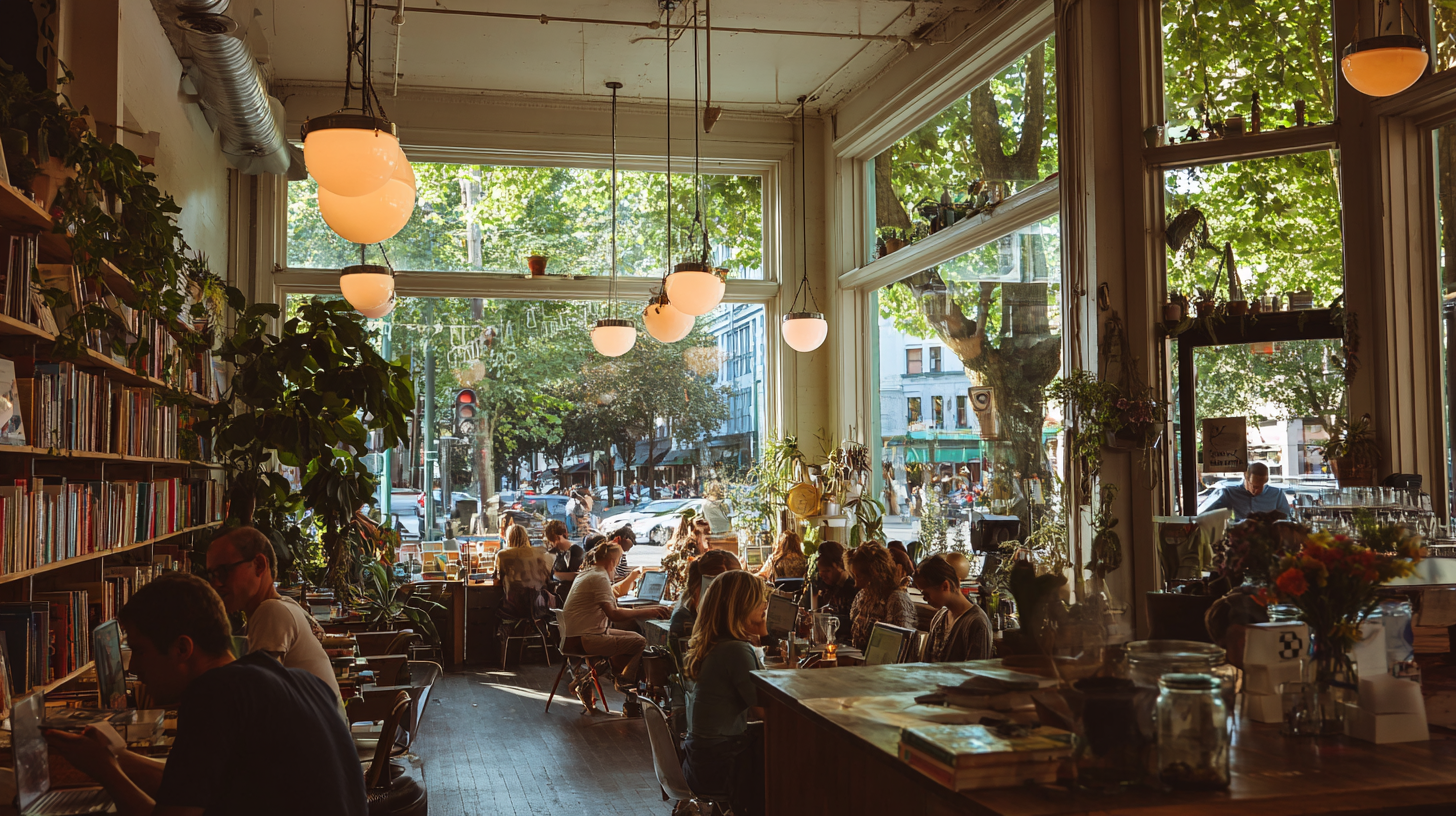
Neighborhood coffee shop Community

Why Your Neighborhood Coffee Shop Matters More Than Ever

In a world of remote work and digital everything, the physical third place has never been more important.

Read More
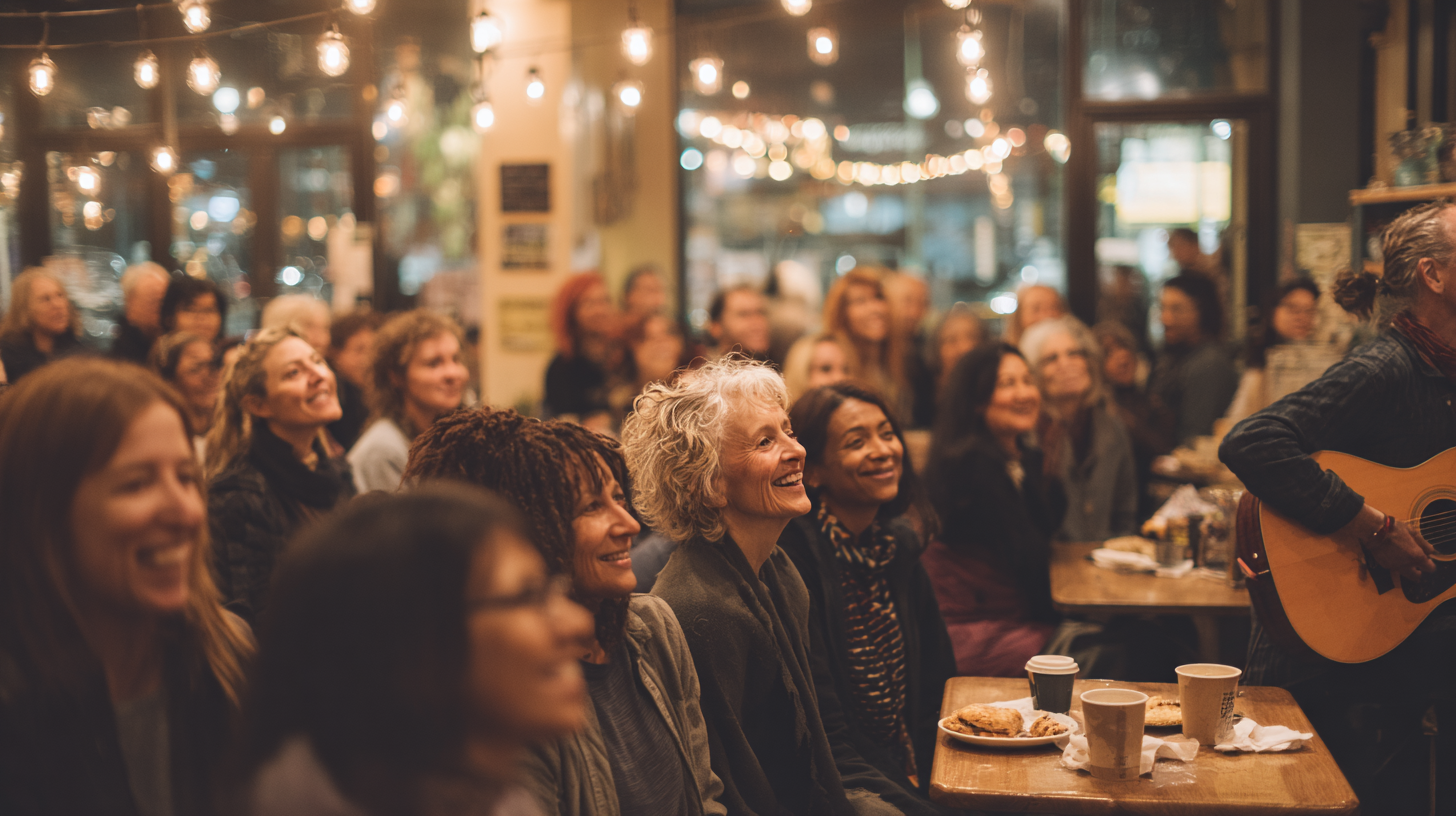
Community impact Impact

5 Ways Magnolia Coffee Supports Local Communities

From sponsoring little league teams to hosting open mic nights, learn how each location gives back.

Read More
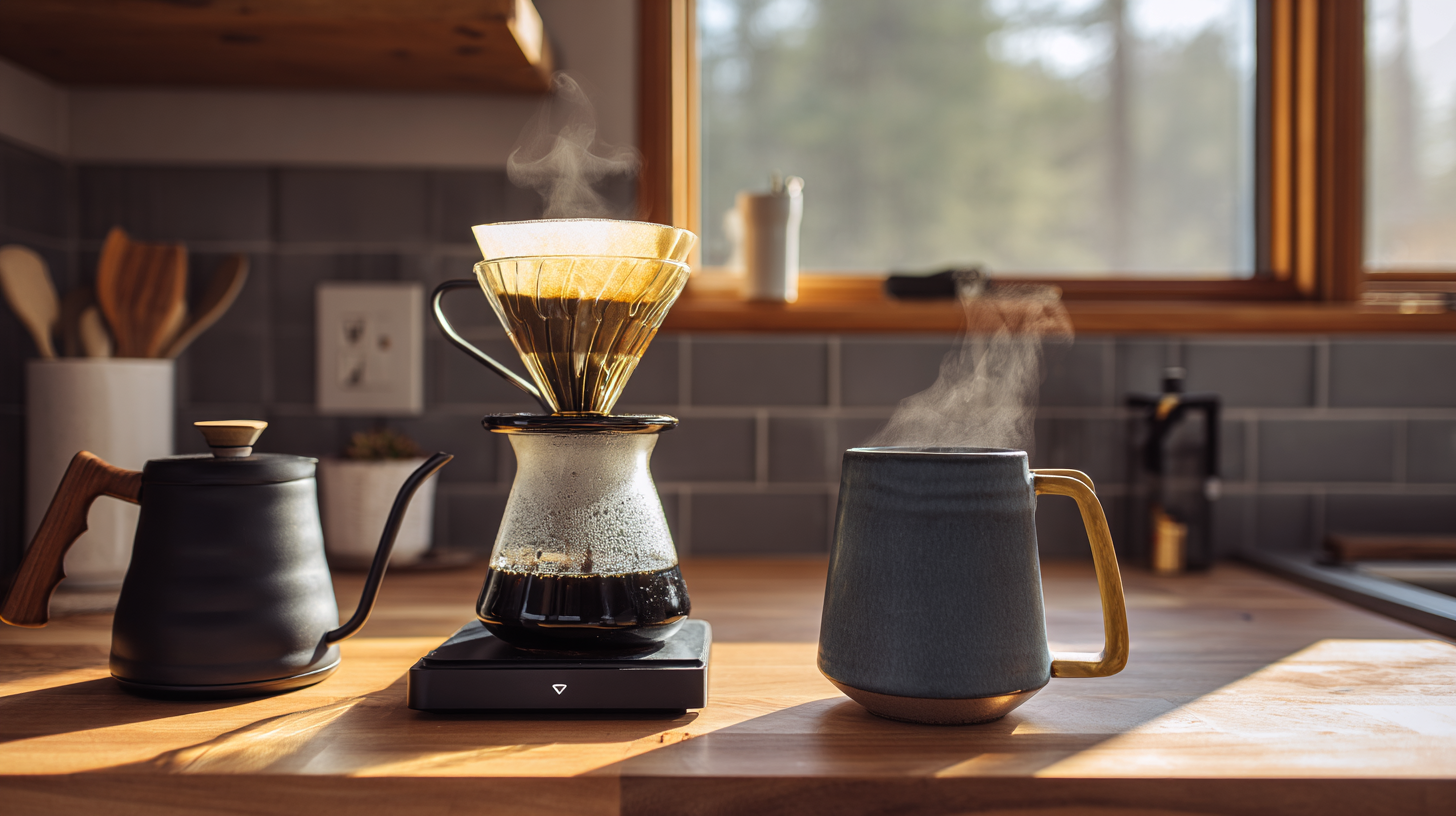
Home brew guide Brew Guide

The Perfect Home Brew: Tips from Our Master Roasters

Our head roaster shares five techniques for brewing cafe-quality coffee at home.

Read More
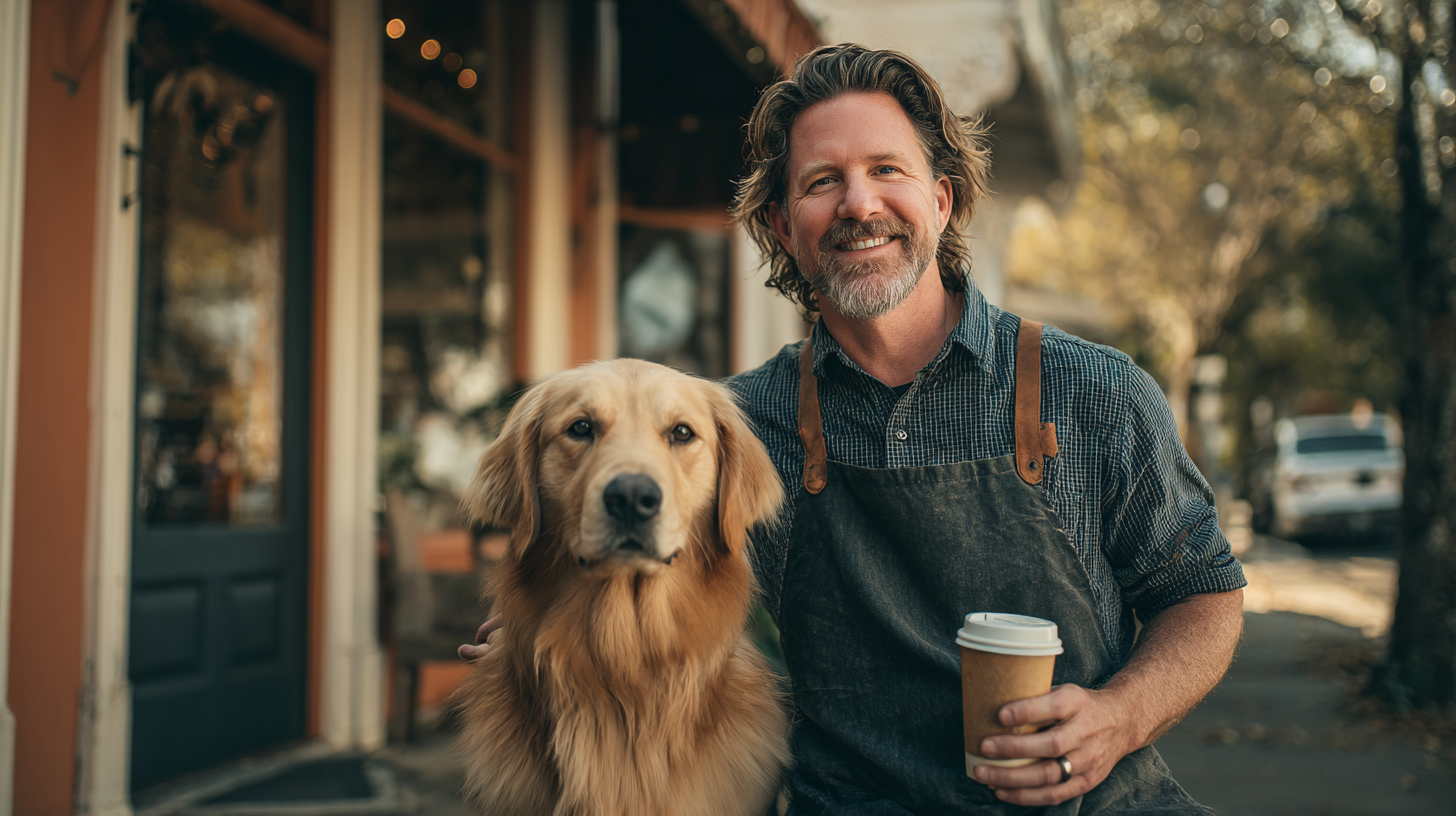
Dan Sumner founder story Our Story

Meet Dan Sumner: The Man Behind 200+ Neighborhood Coffee Shops

From traveling the world to settling in Summerville with his dog Buddy, Dan's journey is one of passion.

Read More
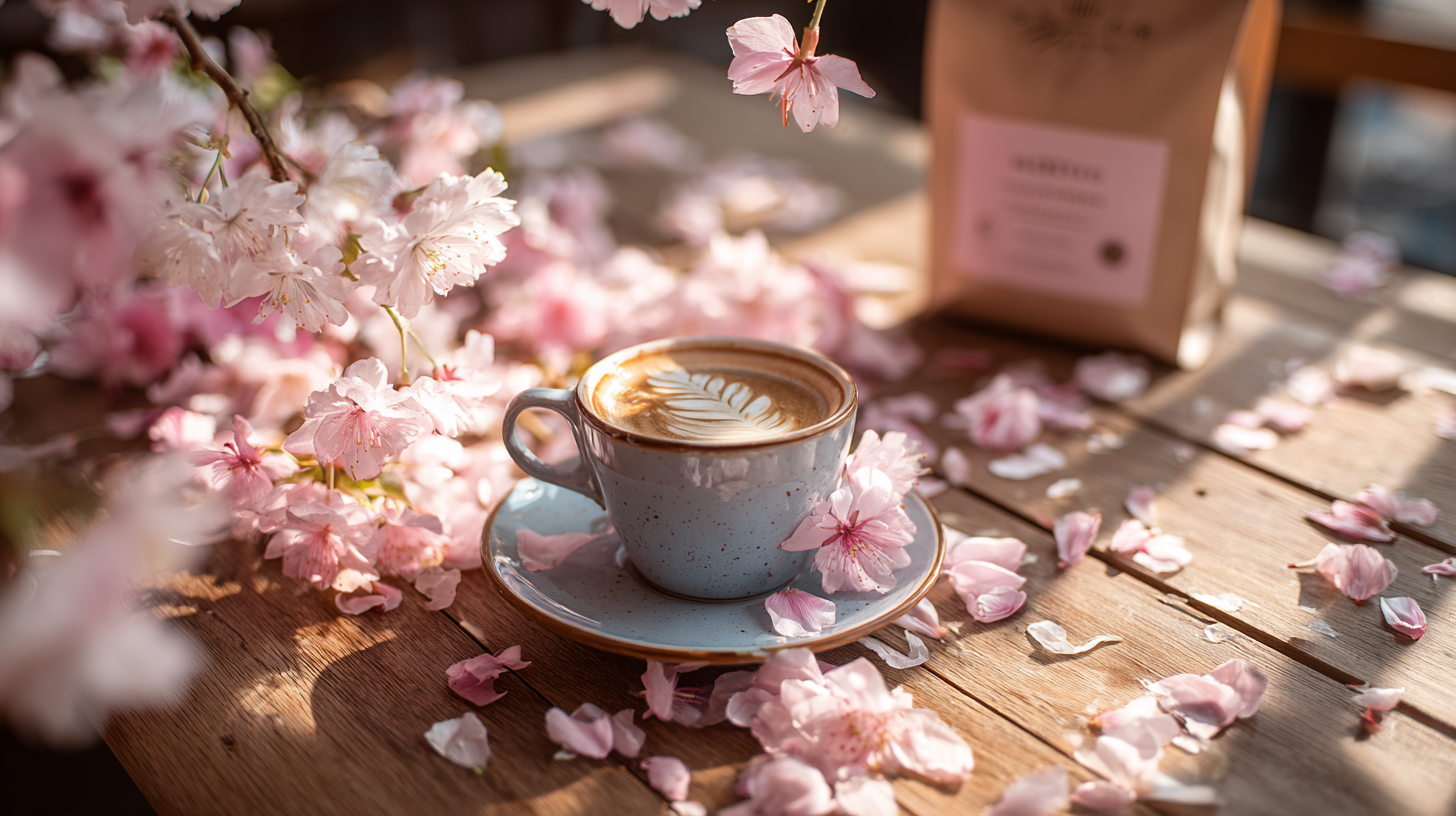
Spring cherry blossom roast Seasonal

Spring Blend Alert: Our Limited-Edition Cherry Blossom Roast

Available for a limited time only. Light, floral notes inspired by the season. Get it before it's gone.

Read More

Connect With Your
Local Magnolia

Open Mic Nights

Every Friday at select locations. Share your talent, enjoy local artists, and connect with neighbors over great coffee.

Coffee Tasting Workshops

Monthly cupping sessions led by our roasters. Learn to identify flavor notes, origins, and brewing methods.

Community Cleanup Days

Quarterly neighborhood cleanup events. Free coffee for volunteers. Because great communities take care of each other.

The Journey of a Bean: From Fair-Trade Farm to Your Cup

Coffee beans being sorted on a fair-trade farm in Ethiopia

Every cup of Magnolia Ethiopian Yirgacheffe carries within it the story of dozens of hands, three continents, and a supply chain built on fairness, transparency, and extraordinary care. This is that story.

Where It Begins: The Highlands of Yirgacheffe

In the misty highlands of southern Ethiopia, some 1,800 meters above sea level, the Gedeo Zone produces some of the world's most sought-after coffee. Here, smallholder farmers tend to their coffee trees with an almost spiritual dedication — these trees are often older than the farmers themselves, passed down through generations.

At harvest time, which runs from October through January, everything changes. The entire community mobilizes. Only the ripest red cherries are picked — often multiple passes over the same tree as different cherries ripen at different times. It's meticulous, painstaking work done entirely by hand.

The Auction & The Choice

After processing — either washed at central wet mills or naturally dried on raised beds — the green coffee travels to the Ethiopia Commodity Exchange (ECX) in Addis Ababa. It's here that our sourcing team, led by our head buyer Amara Bekele, makes the trip twice each harvest season.

"I taste maybe 200 samples to find one that has everything," Amara explains. "For our Yirgacheffe, I'm looking for that florality — jasmine, bergamot — combined with brightness in the cup. And most importantly, I need to verify the farm is fair-trade certified and that the premiums actually reach the farmers."

From Ethiopia to Summerville

The green coffee is loaded into shipping containers and makes the four-week ocean voyage to the Port of Charleston. From there, it travels by truck to our roastery in Summerville — the same building where Dan Sumner opened his first shop in 2009.

Our lead roaster, Marcus Chen, has been with Magnolia for eleven years. He approaches each origin differently. "Ethiopian naturals — the ones dried whole in the sun — I roast lighter. I want to preserve that fruit character. A dark roast on this bean would be a crime."

The Roast

Roasting coffee is part science, part intuition. Marcus uses a drum roaster that processes 12-kilogram batches. During the roast, green coffee loses roughly 15-20% of its weight as moisture, and the beans transform from green and grassy-smelling to the brown, fragrant product you're familiar with.

For our Ethiopian Yirgacheffe, Marcus targets a light-to-medium roast profile. The first crack — a popping sound that signals the beans have reached around 196°C — is his cue. He pulls the roast before the beans would darken further, preserving the delicate floral compounds that make this origin so special.

Quality Control: Cupping Every Batch

Before any coffee leaves our roastery, it goes through cupping — the formal method of tasting and grading coffee. We steep precisely measured doses of ground coffee in hot water in a controlled setting, then evaluate the fragrance, aroma, flavor, aftertaste, acidity, body, and balance.

Each origin we carry must pass this test. If a batch doesn't meet our standards, it doesn't ship. This isn't just quality control. It's our promise that every bag of Magnolia coffee you open will taste exactly the way it was meant to taste.

Your Cup

When you brew a pot of our Ethiopian Yirgacheffe — whether using a pour-over, Chemex, or even a simple drip machine — you're tasting the culmination of months of careful work by people who have been doing this for generations. That bright, floral, slightly fruity cup isn't an accident. It's the result of a supply chain built on respect: respect for the farmers, respect for the craft, and respect for you.

We think that's worth knowing about. After all, great coffee is never just about the caffeine. It's about connection — to place, to people, and to the ritual that starts your morning.

Why Your Neighborhood Coffee Shop Matters More Than Ever

Neighbors gathering at their local Magnolia Coffee shop

The coffee shop has always been more than a place to get coffee. In an age of remote work, doomscrolling, and algorithmic everything, the neighborhood coffee shop might be one of the last genuinely human spaces we have left.

The Third Place Problem

Sociologist Ray Oldenburg coined the term "third place" in his 1989 book The Great Good Place — spaces that are neither home (the first place) nor work (the second place), but somewhere you go to simply be. Cafes, barbershops, taverns, parks. These were the connective tissue of community.

For most of the last decade, third places have been under siege. Rising rents pushed out the neighborhood bar. Social media promised connection without geography. And then came the pandemic, which stripped away even the physical spaces that remained, replacing them with Zoom calls and Slack messages.

What Remote Work Actually Did

Here's the irony: remote work was supposed to free us. Free from commutes, from fluorescent-lit cubicles, from the mandatory social rituals of office life. And for many people, it delivered on that promise. But freedom, it turns out, has a shadow side.

"I saved two hours of commuting every day," says Rachel, a software engineer in Columbia, SC who works from home full-time. "But I also lost something I didn't expect to miss. The casual conversations. Running into someone you know. Having a place where you're just... there."

She's not alone. Study after study links social isolation to poorer mental and physical health. And while social media offers a simulacrum of connection, most people instinctively understand it doesn't substitute for being in the same room with another human being, sharing a moment, however small.

Enter: The Neighborhood Coffee Shop

This is why we're seeing a quiet renaissance of the neighborhood coffee shop — not as a place to grab a quick latte on the way to the office, but as something much more fundamental. A place to work without the loneliness of home. A place to meet a friend without the pressure of a restaurant. A place to sit with a book and feel the gentle hum of other people around you.

At Magnolia, we see this every day. The retired couple who come every morning at 7:30 and sit in the same corner booth. The dad with his two kids who uses Magnolia as a mobile office every Thursday. The group of college students who discovered our location on Harden Street is the best place to study for a two-mile radius.

What Makes a Great Third Place

Not every coffee shop qualifies. Oldenburg's criteria for a great third place include neutrality (no one feels like a guest or a stranger), leveling (social hierarchies flatten), and conversation (the primary activity). The lighting matters. The seating matters. The noise level matters. Even the smell matters — not just of coffee, but of the lived-in warmth of a space that belongs to everyone.

We think about these things constantly when we design our shops. Every Magnolia location has free, fast WiFi and enough seating that you don't feel like you're taking up space. The lighting is warm without being dim. And our baristas — well, you'll see them learning your name after your third visit.

Come As You Are

The neighborhood coffee shop is, at its best, one of the few places left in public life where you can simply show up without a specific purpose. You don't need to buy anything (though we hope you will). You don't need to perform. You just need to walk through the door.

That simplicity is radical, actually. In a world where everything is optimized, gamified, and algorithmically curated, a neighborhood coffee shop is still a place where being human is enough.

See you at your local Magnolia soon.

5 Ways Magnolia Coffee Supports Local Communities

Magnolia Coffee sponsoring a local community event

We believe great coffee and great communities are deeply connected. Here's how we put that belief into practice at every one of our 200+ locations.

1. Local Supplier Partnerships

While our coffee beans come from fair-trade farms around the world — Ethiopia, Colombia, Brazil — we source everything else we can locally. From the pastries in our display cases to the printing services for our in-store signage, we prioritize vendors in the communities we serve.

At our Savannah Historic District location, the almond croissants come from a bakery just four blocks away. At our Columbia Five Points shop, the ceramic mugs were commissioned from a local potter. These aren't just business decisions — they're commitments to the economic ecosystem of each neighborhood.

2. Little League Sponsorships

For the past six years, Magnolia has maintained an active sponsorship program for youth sports leagues across our footprint. We sponsor baseball and soccer teams, supply post-game snacks, and offer gift cards to volunteer coaches as a thank-you for the enormous amount of time they give.

Last year, that program reached 47 teams across six states. We don't ask for signage, we don't require logos on jerseys, and we don't track the business that comes from it. We just believe kids in our neighborhoods deserve to play.

3. Free Meeting Space for Community Groups

Every Magnolia location sets aside seating for community groups to use for free — no minimum purchase required. Book clubs, AA groups, neighborhood watch meetings, study groups, and civic organizations have standing reservations at locations across our footprint.

Our Atlanta Buckhead location hosts a monthly book club that has been meeting in the same corner booth for four years. A group of retired teachers in Summerville uses our original location every Tuesday afternoon for their "Coffee and Current Events" discussion. These aren't transactions. They're community infrastructure.

4. Open Mic Nights

Every Friday evening, select Magnolia locations host Open Mic Nights — a tradition that began organically at our original Summerville shop in 2011 and has since spread to 34 locations. Musicians, poets, comedians, and storytellers of all skill levels take the floor.

The quality varies. The spirit doesn't. What matters isn't the performance — it's the courage of someone willing to put themselves out there in front of neighbors they might see at the grocery store next week. That's what community looks like.

5. Community Cleanup Days

Four times a year, Magnolia hosts Neighborhood Cleanup Days at locations across all six states. Volunteers show up, we provide gloves, bags, and grabbers, and together we clean up the streets, parks, and public spaces within walking distance of our shops.

Afterward, every volunteer gets a free medium drip coffee or cold brew. We post before-and-after photos (with permission) on our social channels, and we celebrate the volunteers who show up. Last fall's cleanup across 28 locations collected over 4 tons of litter and debris.

These programs aren't marketing. They're not designed to drive foot traffic or generate goodwill campaigns. They're designed because this is what we believe a neighborhood coffee company should be. Present, invested, and here for the long haul.

The Perfect Home Brew: Tips from Our Master Roasters

Magnolia's head roaster Marcus Chen brewing a pour-over

Marcus Chen has been Magnolia's head roaster for eleven years. He's tasted more than 10,000 cups of coffee. We asked him to share what actually makes a difference when you're brewing at home.

The Single Most Important Investment: A Good Grinder

"If you're going to spend money, spend it on the grinder, not the coffee maker," Marcus says without hesitation. "A $30 blade grinder chops your beans randomly, creating a mix of powder and boulders. The water extracts them at different rates, and you get uneven, bitter coffee."

A burr grinder — even a modest $80 entry-level model — crushes beans between two abrasive surfaces at a consistent size. This single change transforms everything. "The difference is night and day," Marcus says. "You'll taste it on the very first cup."

Water: The Overlooked Variable

Coffee is 98% water. Most people spend their budget on beans and ignore the water. "If your tap water tastes flat or chlorinated, your coffee will too," Marcus explains. "You don't need a fancy filtration system — even a Brita filter makes a noticeable difference. Or use bottled spring water."

Temperature matters too. Ideally, your water should be between 92-96°C (195-205°F). Boiling water (100°C) scorches the grounds and extracts bitter compounds. Letting it cool for 30-45 seconds after boiling gets you into the right zone. If you have a temperature-controlled kettle, even better.

The Golden Ratio (And Why You Should Weigh)

Marcus recommends a ratio of roughly 1 gram of coffee per 15-17 ml of water — a good starting point that most people find balanced. "A tablespoon is not a unit of measurement," he says with a slight smile. "It varies wildly depending on how coarse you grind, how packed it is."

His advice: invest in a small digital scale (they're under $20). Weigh your coffee and water. Once you have the ratio dialed in, you can adjust to taste — more coffee for a bolder cup, less for something lighter.

Pour-Over: The Method Marcus Uses at Home

"I use a pour-over at home almost every morning," Marcus says. "It's simple, forgiving, and the cleanest expression of the coffee's true character." His method:

Step 1: Heat water to 94°C. Grind 22 grams of coffee to a medium-fine consistency (like coarse table salt). Place a filter in your dripper and rinse it with hot water — this removes paper taste and preheats the vessel. Discard the rinse water.

Step 2: Add your grounds and shake gently to level the bed. Start your timer. Pour 40-50 grams of water in a slow spiral, starting from the center and moving outward. This is the "bloom" — the coffee releases CO2 and bloats. You'll see it fizz slightly. This takes about 30 seconds.

Step 3: Continue pouring in slow spirals, keeping the water level consistent, until you've used about 350 grams total. The whole process should take around 3:30 to 4:00 minutes.

Step 4: Remove the dripper once the flow stops. Pour, sip, adjust. The beauty of pour-over is you can taste the coffee at different stages of the extraction and understand what adjusting each variable does.

Storage: The Enemy of Fresh Coffee

Heat, light, air, and moisture are coffee's four worst enemies. The pantry is better than the fridge (fridges contain moisture and odors that coffee absorbs). An airtight container in a dark, cool cabinet is ideal. Mason jars work surprisingly well.

And please — don't freeze whole bean coffee. Every expert agrees on this. Freezing causes freezer burn and you lose volatile aromatic compounds. Coffee is not bread. Buy in quantities you'll consume within two to three weeks of the roast date printed on the bag.

The Most Important Tip

"Stop trying to make perfect coffee," Marcus says, laughing. "Drink more coffee. Taste widely. Notice what you like and why. The more you drink, the more your palate develops, and the more you understand what you're actually tasting. That's the real secret."

Meet Dan Sumner: The Man Behind 200+ Neighborhood Coffee Shops

Dan Sumner with his dog Buddy at the original Magnolia Coffee location in Summerville, SC

In 2009, Dan Sumner was a man looking for a place to belong. What he found — or rather, what he built — would become one of the Southeast's most beloved neighborhood coffee brands. This is the story of Magnolia Coffee, told through the person who started it all.

The Early Years: A Life in Motion

Dan Sumner's path to Summerville, South Carolina was anything but straight. Born in Richmond, Virginia, he spent his twenties and thirties as a management consultant, traveling internationally for a firm that specialized in supply chain optimization for agricultural commodity businesses.

"I spent about 200 nights a year in hotel rooms," Dan says. "I was good at what I did. I was also completely disconnected from anyplace that felt like home." His work took him to coffee farms in Guatemala, tea plantations in Sri Lanka, and spice markets in Morocco. He developed a palate for extraordinary products and an appreciation for the communities that produced them.

He also developed a dog named Buddy — a scruffy golden retriever mix he found in a shelter in São Paulo during a Brazil assignment. Buddy would become the unofficial mascot of Magnolia Coffee and is still, somehow, a presence in the company's story fifteen years later.

The Moment That Changed Everything

The catalyst, as Dan describes it, was embarrassingly ordinary. "I was 41. I'd moved to the Charleston suburbs — Summerville specifically — and I went for a walk around my new neighborhood looking for a place to get a decent cup of coffee. Not a gas station. Not a fast food place. An actual coffee shop where I could sit for an hour and feel like I was somewhere."

There wasn't one. Not within walking distance, anyway. The nearest independent coffee shop was a 20-minute drive away. Everything else was a chain that, as Dan puts it, "felt like it could have been anywhere."

"I stood in my kitchen that evening and thought: someone's got to fix this. And then I realized — maybe it's me."

The First Magnolia Coffee

In October 2009, Dan signed the lease on a narrow, converted gas station on Main Street in Summerville. The building had been vacant for two years and needed everything — new plumbing, electrical, HVAC. He spent three months renovating it with a small contractor and an almost comical amount of time reading books about coffee roasting, cafe design, and small business operations.

He named it Magnolia Coffee — after the trees that line every street in Summerville, and for the way the word itself sounded: warm, Southern, and a little bit elegant.

Dan hired a retired roaster named Clifford Thompson to teach him the craft. Clifford had worked for a regional coffee brand in Atlanta for thirty years before retiring to Pawleys Island. He agreed to come out of retirement to train Dan on one condition: "You listen to the bean, not the machine." Dan still cites Clifford as the most important mentor in his coffee education.

The shop opened on a Tuesday in January 2010. Dan was behind the counter. Buddy was asleep in a dog bed near the window. Twelve people came in. Four of them were friends who'd come to be supportive. By Friday, word had spread. By the following Tuesday, Dan was genuinely busy.

What Made Magnolia Different

From the beginning, Dan made a few bets that would define Magnolia's character. The first was on atmosphere. "I wanted a place where a 65-year-old retired professor and a 22-year-old remote worker could sit at adjacent tables and neither one felt out of place." That meant warm lighting, comfortable seating, music at a conversational volume, and enough visual interest to feel alive without being overwhelming.

The second was on sourcing. From day one, every coffee Magnolia served was fair-trade certified. Dan had seen too many coffee farming communities in his consulting work to participate in a supply chain that didn't treat farmers fairly. He was willing to pay more for beans, which meant he had to be willing to charge more for cups. He was.

The third was on people. Dan hired neighbors — people who lived in the community and knew its rhythms. "A barista who recognizes a regular, who remembers how they take their coffee, who asks about their kid's soccer game — that's not a service interaction. That's a relationship."

The Growth Years

By 2012, Magnolia had six locations. By 2016, fifty. Dan was careful not to grow faster than the brand's values could travel. "Every new location had to feel like it belonged to its neighborhood," he says. "We never had a playbook for what a Magnolia should look like inside. We had values. How those values showed up in a space was up to the community."

The digital expansion — app, online ordering, subscription service — came in 2016 and accelerated dramatically in 2020. Dan's background in supply chain turned out to be unexpectedly useful for building an e-commerce operation that could keep up with a brand that was suddenly growing faster than anyone expected.

Buddy

Buddy passed away in 2022 at the age of fifteen. He had spent most of his life at one Magnolia location or another, usually positioned near the front window where he could observe foot traffic. Customers came specifically to see him. Children's drawings of Buddy still hang in the original Summerville shop.

Last year, Magnolia's "Puppy Program" was launched — a partnership with local animal shelters where approved therapy dogs are welcome at all locations. It's a small thing. It is also, in the most literal sense, a continuation of Buddy's legacy of warm, quiet, four-legged hospitality.

What Dan Says Now

When asked what he's most proud of, Dan doesn't mention the 200+ locations or the awards or the growth metrics. "That first shop is still open," he says. "Same building, same block. The neighborhood's changed around it, but it's still there, still full of people who come because they want to, not because they have to."

He pauses. "Also, Buddy got to be part of something. That matters to me more than I can really explain."

These days, Dan splits his time between Summerville and a small farm outside of town. He still visits shops regularly — always orders a pour-over, always tips generously. He is, by his own admission, not particularly good at being retired.

Which is probably exactly what we'd expect.

Spring Blend Alert: Our Limited-Edition Cherry Blossom Roast Is Here

A bag of Magnolia's limited edition Spring Cherry Blossom Roast with cherry blossoms in the background

Every year, when the first warm weeks arrive and cherry blossoms begin their brief, spectacular show, we release our most delicate blend of the year. This is the Spring Cherry Blossom Roast — and it's back for a limited time only.

Inspired by Sakura

The idea came to our head roaster Marcus Chen six years ago, after a visit to a friend in Kyoto during sakura season. "I was sitting under a cherry tree, drinking coffee I'd brought with me from home, and I thought: these two things belong together. The fleeting, floral quality of the blossoms and the brightness and fragility of a light roast single origin."

The Spring Cherry Blossom Roast is his annual expression of that thought — a coffee that captures, as closely as a roasted bean can, the ephemeral, sweet, slightly Almond-adjacent beauty of cherry blossoms in bloom.

What's Inside

This year's blend is composed of two single-origin components. The first is a natural-processed Brazilian coffee from the Cerrado Mineiro region — it brings a gentle sweetness, notes of dried cherry and roasted almond, and a round, full body that forms the backbone of the blend. The second is our beloved Ethiopian Yirgacheffe — washed this year for maximum clarity — which contributes the floral top notes that make this blend distinctive.

Together, they produce a cup with a bright, clean entry that opens into floral mid-palate and resolves with a gentle, nutty sweetness. It's unlike anything else we make. It is, by design, nothing like our dark roasts.

The Roast Profile

Marcus roasts this blend lighter than almost anything else in our lineup. "I pull it at the very first crack," he explains. "The beans haven't had time to develop the deeper, darker caramelized compounds. What you're tasting is mostly the bean's original character — the fruit, the flower, the terroir."

This means the Spring Cherry Blossom Roast is more sensitive to brewing variables than our standard offerings. A too-hot brew or a too-coarse grind will mute the subtlety. Marcus recommends a pour-over or Chemex at 92-94°C for the fullest expression. A drip machine works fine — just don't over-extract.

How Long Is It Available?

The Spring Cherry Blossom Roast is available in 12oz bags online and at all 200+ Magnolia locations from mid-March through the end of April, or until we sell through our allocation. Last year we sold out three weeks ahead of schedule. This year we've increased production slightly, but we're still limited.

If you've been meaning to try it, this is the week. The cherry blossoms won't wait.

How to Order

You can grab a bag in the Shop section of our website, or ask your barista at any Magnolia location. If you're a subscriber, add it to your next delivery — it ships beautifully and arrives at peak freshness.

And if you're in one of our markets that hosts a coffee tasting workshop, the Spring Cherry Blossom Roast is featured throughout the month of April. Come taste it alongside our head roasters. Spring only comes once a year. Same with this coffee.