Every cup of Magnolia Ethiopian Yirgacheffe carries within it the story of dozens of hands, three continents, and a supply chain built on fairness, transparency, and extraordinary care. This is that story.
Where It Begins: The Highlands of Yirgacheffe
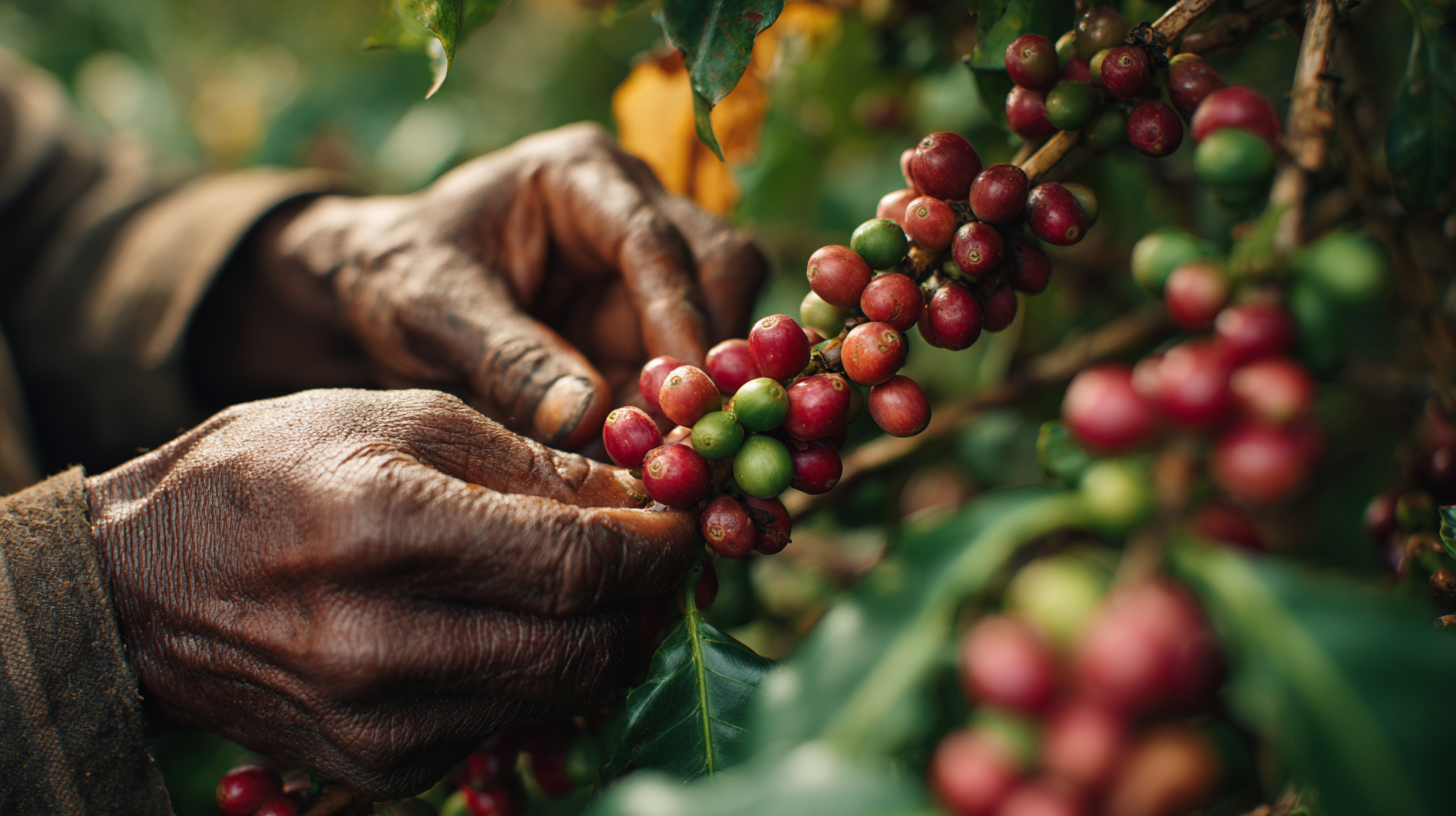
In the misty highlands of southern Ethiopia, some 1,800 meters above sea level, the Gedeo Zone produces some of the world's most sought-after coffee. Here, smallholder farmers tend to their coffee trees with an almost spiritual dedication — these trees are often older than the farmers themselves, passed down through generations.
At harvest time, which runs from October through January, everything changes. The entire community mobilizes. Only the ripest red cherries are picked — often multiple passes over the same tree as different cherries ripen at different times. It's meticulous, painstaking work done entirely by hand.
The Auction & The Choice
After processing — either washed at central wet mills or naturally dried on raised beds — the green coffee travels to the Ethiopia Commodity Exchange (ECX) in Addis Ababa. It's here that our sourcing team, led by our head buyer Amara Bekele, makes the trip twice each harvest season.
"I taste maybe 200 samples to find one that has everything," Amara explains. "For our Yirgacheffe, I'm looking for that florality — jasmine, bergamot — combined with brightness in the cup. And most importantly, I need to verify the farm is fair-trade certified and that the premiums actually reach the farmers."
From Ethiopia to Summerville
The green coffee is loaded into shipping containers and makes the four-week ocean voyage to the Port of Charleston. From there, it travels by truck to our roastery in Summerville — the same building where Dan Sumner opened his first shop in 2009.
Our lead roaster, Marcus Chen, has been with Magnolia for eleven years. He approaches each origin differently. "Ethiopian naturals — the ones dried whole in the sun — I roast lighter. I want to preserve that fruit character. A dark roast on this bean would be a crime."
The Roast
Roasting coffee is part science, part intuition. Marcus uses a drum roaster that processes 12-kilogram batches. During the roast, green coffee loses roughly 15-20% of its weight as moisture, and the beans transform from green and grassy-smelling to the brown, fragrant product you're familiar with.
For our Ethiopian Yirgacheffe, Marcus targets a light-to-medium roast profile. The first crack — a popping sound that signals the beans have reached around 196°C — is his cue. He pulls the roast before the beans would darken further, preserving the delicate floral compounds that make this origin so special.
Quality Control: Cupping Every Batch
Before any coffee leaves our roastery, it goes through cupping — the formal method of tasting and grading coffee. We steep precisely measured doses of ground coffee in hot water in a controlled setting, then evaluate the fragrance, aroma, flavor, aftertaste, acidity, body, and balance.
Each origin we carry must pass this test. If a batch doesn't meet our standards, it doesn't ship. This isn't just quality control. It's our promise that every bag of Magnolia coffee you open will taste exactly the way it was meant to taste.
Your Cup
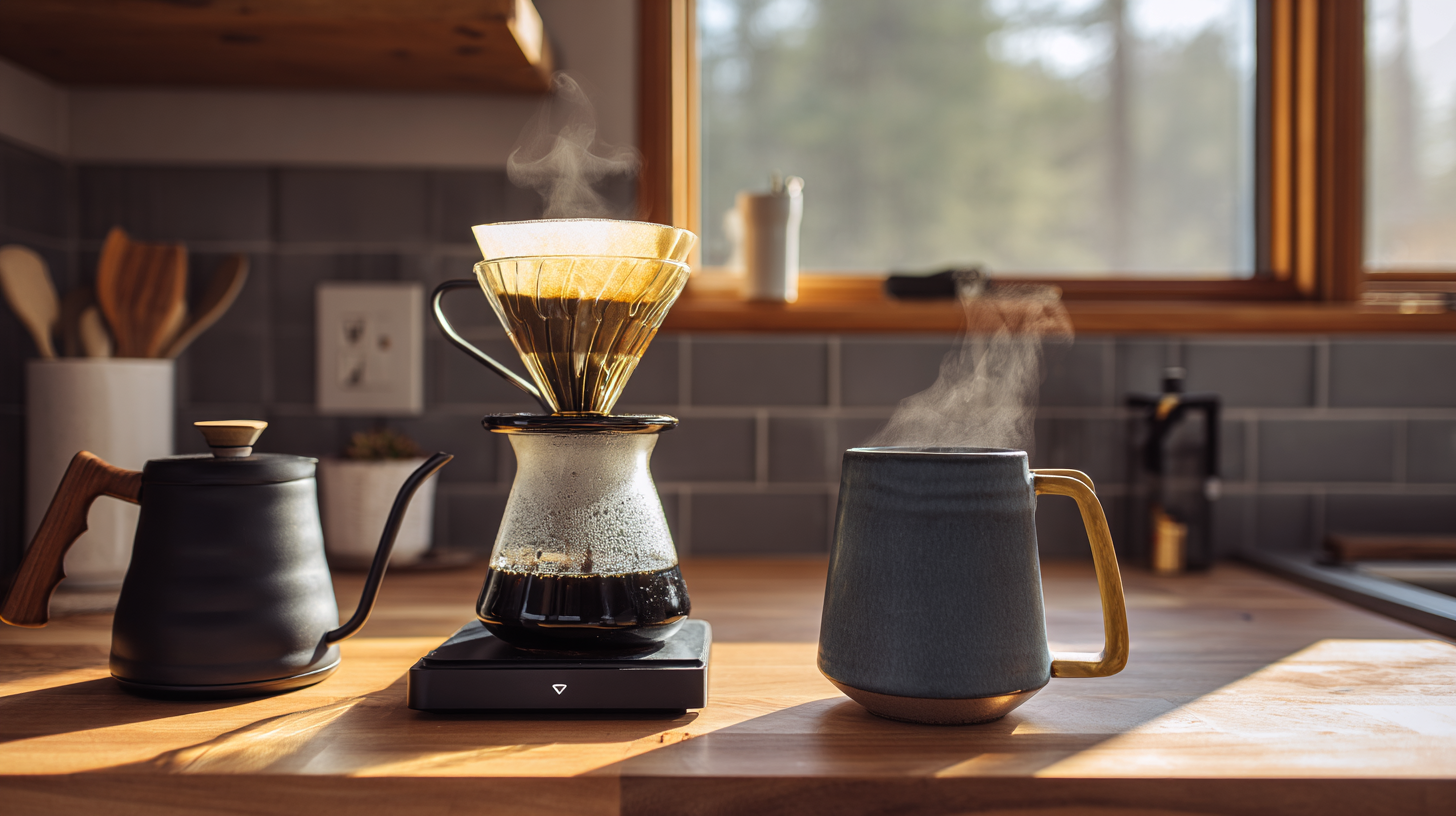
When you brew a pot of our Ethiopian Yirgacheffe — whether using a pour-over, Chemex, or even a simple drip machine — you're tasting the culmination of months of careful work by people who have been doing this for generations. That bright, floral, slightly fruity cup isn't an accident. It's the result of a supply chain built on respect: respect for the farmers, respect for the craft, and respect for you.
We think that's worth knowing about. After all, great coffee is never just about the caffeine. It's about connection — to place, to people, and to the ritual that starts your morning.